EVENTBRITE ALTERNATIVE · RESERVED SEATING

An Eventbrite alternative for reserved seating you control.

Choose SeatLayer when reserved seating should live inside your product: broad web and server SDKs, non-expiring sold-seat credits, released sales channels, optional buyer 3D, and hosted operations. Keep Eventbrite when marketplace discovery and one complete ticketing system are the job.

Discuss an Eventbrite switch →

Category boundary: SeatLayer is reserved-seating infrastructure—not a broad event-discovery marketplace or attendee CRM. The SDK route keeps your booking stack authoritative; on the hosted route, the organizer's connected Stripe or Razorpay provider controls processing fees, applicable taxes, and payout timing while SeatLayer bills Hosted Ticket usage separately.

SEATLAYER-FIRST OWNED BOOKING FLOW REVIEWED 5 SEP 2026
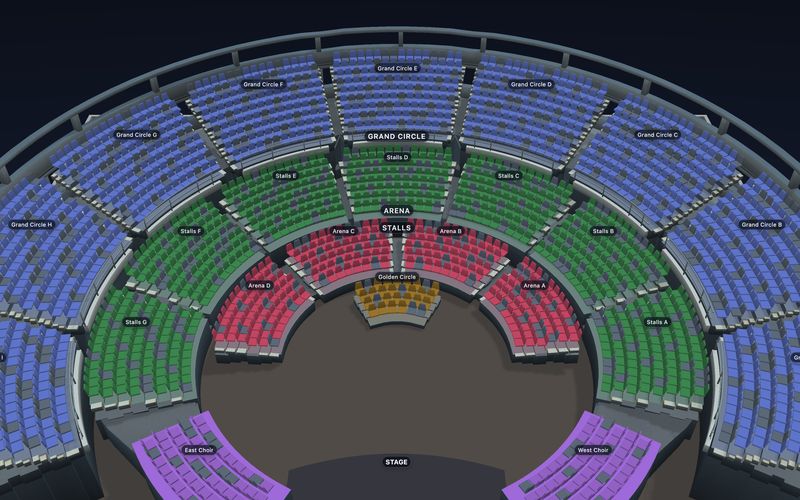
GRAND THEATRE · BUYER MAP RELEASED PRODUCT
Interactive seating chart in the SeatLayer buyer picker, showing ticket-type colours, sold seats and live availability — the reserved-seating layer an Eventbrite alternative has to replace
Current SeatLayer buyer seating chart · captured from the public demo 25 Aug 2026
THE 60-SECOND FIT CHECK

Start with SeatLayer; check whether you actually need a marketplace.

SeatLayer leads when the reserved-seating layer, buyer journey, inventory, and integration belong to you. Eventbrite leads when the complete event platform is the value.

EVALUATE SEATLAYER WHEN

You want to own the reserved-seating product.

  • Stable JavaScript/TypeScript, React, Vue, and Angular plus seven server SDK families should fit your stack.
  • Purchased credits remain available until customers sell seats.
  • Released sales channels and optional buyer 3D should share one seating core.
  • Your checkout stays authoritative, or you can use SeatLayer's hosted reserved-seating path.
KEEP EVENTBRITE WHEN

The complete event platform is the value.

  • Marketplace discovery and event marketing are central.
  • You want one system for checkout, payment, tickets, attendees, refunds, and check-in.
  • Eventbrite's documented reserved-seating workflow already fits the venue.

Still asking what Eventbrite itself supports? The separate Eventbrite seating-chart guide owns that informational question and documents the answer from Eventbrite's official pages.

WHY A SPECIALIST LAYER CHANGES THE JOB

Author the venue once. Carry it into every live seat decision.

SeatLayer keeps reusable chart geometry separate from event-specific free, held, sold, and blocked state. The same model moves from authoring to buyer choice and authorized operator surfaces without repeating interface screenshots.

VENUE INTENT

Edit curves, levels, sections, tables, booths, and GA as structure.

Design rules remain editable instead of becoming a flat background image or a loose collection of seat dots.

Explore Venue Designer →
LIVE SEAT STATE

Give buyer, counter, and operator tools one inventory truth.

Each event carries the same free, held, sold, and blocked seat state across its authorized surfaces.

See box-office operations →
BUYER CONTROL

Keep a complete 2D journey and add optional spatial context.

The transactional picker has stable JavaScript/TypeScript, React, Vue, and Angular paths. Optional 3D never replaces the standard 2D path.

Evaluate optional 3D →
COMPARE THE FEATURES THAT MATTER

Compare the system boundary in plain language.

Compare specialist reserved seating with Eventbrite's broader event workflow.

Decision SeatLayer Eventbrite
Primary job Reserved-seating infrastructure inside your product, plus a secondary hosted event and operator path. Complete event ticketing, discovery, checkout, payment, attendee operations, and door workflow.
Entry price and meter 100 free Platform/SDK credits every month, then $50 buys 500 confirmed-sold-seat credits at $0.10 each, with no subscription or minimum commitment. Current US organizer page lists 3.7% + $1.79 service fee per paid ticket and 2.9% payment processing per order. Regional and negotiated terms differ.
Unused value Purchased credits never expire. Buy once and use the balance whenever customers sell seats. Fees apply through the ticketing transaction; Eventbrite is not sold as a prepaid seating-credit wallet.
Reserved seating Embeddable Designer, live inventory, best available, holds, and server-authoritative booking across web and seven server SDK families. Yes. Official pages document Venue Designer, sections, rows, tables, tiers, best available, and pick-your-own-seat selection.
Inventory and buyer experience Released sales channels, scoped buyer access, live enforcement, reporting, webhook attribution, and optional chart-derived interactive 3D. One all-in-one ticketing flow with reserved-seat selection and the broader event-platform buyer journey.
Checkout authority Your product keeps checkout, payment, orders, tickets, refunds, and customers in SDK mode. Hosted mode connects the organizer's gateway. Eventbrite owns checkout, payment, ticketing, attendees, and the surrounding organizer workflow.
Enterprise and control Custom enterprise agreement above 100,000 sold seats per month, plus SSO/SAML, SLA, DPA, integration support, and open chart export. Broad organizer and enterprise platform terms; Eventbrite remains the operating system for the event transaction.
What switching changes Choose an owned SDK flow or a separate hosted reserved-seating path. Existing Eventbrite data does not migrate automatically. Staying preserves marketplace, ticketing, attendee, refund, and check-in operations in one platform.
VERIFY SEATLAYER

Inspect our SDKs, pricing, source, docs, and released product.

Every link here points to SeatLayer-owned product evidence or SeatLayer's public GitHub repositories.

Pricing in plain terms: SeatLayer Platform/SDK starts with 100 free monthly credits, then paid credits begin at $0.10 per confirmed sold seat and never expire. Eventbrite charges for its broader ticketing workflow. Region, payment processing, taxes, and plan terms affect the total; official Eventbrite sources are linked below.

WHAT SWITCHING ACTUALLY REQUIRES

This is a deliberate migration—not a one-click plug-in.

SeatLayer does not claim to import an Eventbrite account or insert itself into Eventbrite checkout. Rebuild the reserved-seating journey, then choose the SDK route or the narrower hosted path.

  1. 01

    Recreate and review the venue.

    Start from one of 51 released templates or author the venue in the Designer. Verify geometry, categories, accessibility, and commercial view metadata before publishing.

  2. 02

    Choose the operating path.

    Embed a stable JavaScript/TypeScript, React, Vue, or Angular SDK inside the checkout you own, or publish a hosted reserved-seating event page connected to the organizer's gateway.

  3. 03

    Prove payment through the door.

    For the SDK, test hold, payment, booking, and webhook handling. For hosted events, verify gateway settlement, Box Office, Control Room, ticket issue, and door operations.

No automatic migration claim: existing Eventbrite orders, attendees, tickets, refunds, and event operations remain separate and require an explicit migration or coexistence plan.

CHOOSE THE PRODUCT BOUNDARY

Own the whole booking flow—or use SeatLayer's reserved-seating surfaces.

Both routes share venue geometry and live inventory. The difference is who presents checkout and operator workflows.

PRIMARY · SDK + API

Put the seat map inside the product you already operate.

Origin-restricted embed keys and short-lived sessions narrow browser authority. Your trusted server re-inspects the hold, prices the order, takes payment, books idempotently, and reconciles signed webhooks.

  • Browser: render, select, and return a hold identifier.
  • Server: payment, orders, tickets, refunds, and customer authority.
See the ticketing platform routes →
SECONDARY · HOSTED RESERVED SEATING

Publish the event and run the house with your own gateway account.

Connect the organizer's Stripe or Razorpay keys so payment goes to its account. SeatLayer can provide the event page, Box Office, Control Room, ticket issue, and door tools.

Boundary: The organizer's connected Stripe or Razorpay provider controls processing fees, applicable taxes, and payout timing; SeatLayer bills Hosted Ticket usage separately and is not the organizer's CRM.

Review the managed website path →

The legacy chart-preview iframe is non-transactional. Use the web SDK for your checkout, or a hosted embed for an eligible, staff-enabled Managed event with the organizer’s connected payment gateway. Managed Ticketing uses a separate Hosted Ticket wallet.

Sources

Eventbrite reserved seating · Eventbrite pricing

EVENTBRITE ALTERNATIVE QUESTIONS

Resolve the boundary before you migrate anything.

Is SeatLayer a complete replacement for Eventbrite?
SeatLayer can replace the reserved-seating part of the journey through broad web and server SDKs or hosted event pages with Box Office, Control Room, ticket, and door tools. It does not replace Eventbrite as a broad discovery marketplace or general attendee CRM. On the hosted path, the organizer's connected Stripe or Razorpay provider controls processing fees, applicable taxes, and payout timing; SeatLayer bills Hosted Ticket usage separately.
Does Eventbrite support reserved seating?
Yes. Eventbrite's official pages reviewed 5 Sep 2026 document a Venue Designer, sections, rows, tables, tiers, best-available allocation, and pick-your-own-seat selection. SeatLayer is an alternative when ownership, SDK breadth, live seating controls, buyer 3D, or a different commercial model matters more than an all-in-one platform.
How does SeatLayer pricing differ from Eventbrite?
Every Platform/SDK organization receives 100 free SDK seat credits each month. After that, $50 buys 500 confirmed-sold-seat credits, or $0.10 each, with no subscription or minimum commitment; purchased credits never expire. Eventbrite's current US organizer page lists a 3.7% + $1.79 service fee per paid ticket and 2.9% payment processing per order. Region, account, and negotiated terms can differ, and the products use different commercial meters.
Can SeatLayer plug directly into Eventbrite checkout?
SeatLayer does not present a documented direct Eventbrite checkout plug-in. Its stable JavaScript/TypeScript, React, Vue, or Angular SDK belongs in a booking flow you control, or you can use a separate SeatLayer-hosted reserved-seating event page with the organizer's own gateway.
What does switching from Eventbrite require?
Plan it as a deliberate migration, not a one-click import. Recreate and review venue geometry, choose a stable SeatLayer web SDK or a hosted reserved-seating event page, and validate payment through door operations. Existing Eventbrite accounts, events, attendees, orders, tickets, and refunds do not migrate automatically.
TEST THE SEATING LAYER FIRST

Test a venue in the booking flow you operate.

Start with a released template or your floor plan. Then judge the venue model, live seat state, and buyer experience before changing the systems around them.

Discuss the migration →